
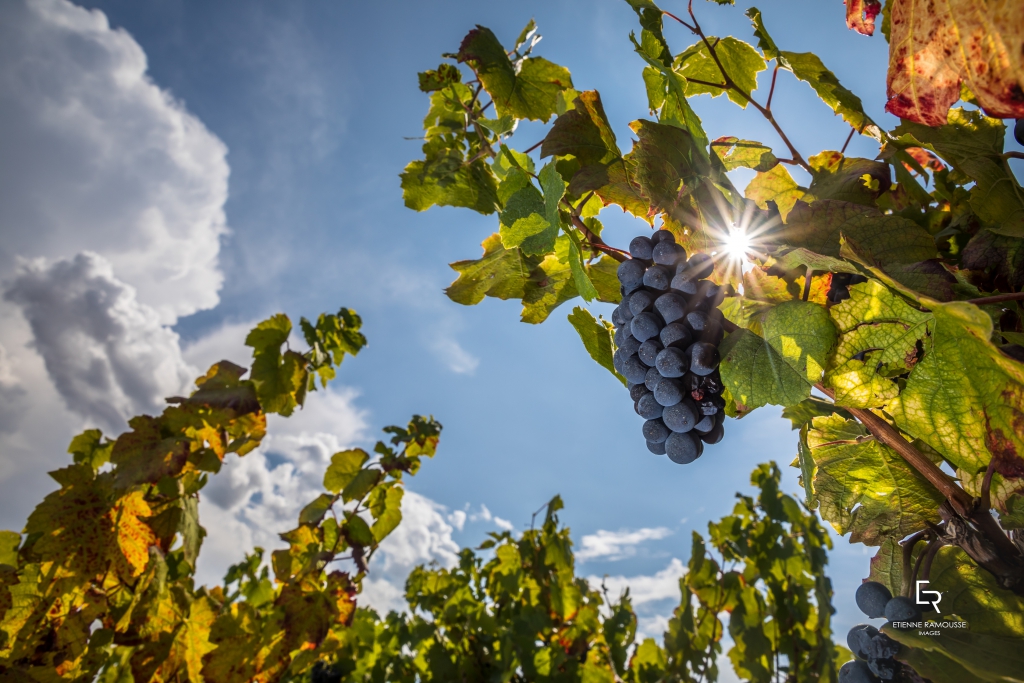
Gamay is a complicated grape. It has a festive profile and sophisticated chilled nature, but also a troubled life and difficult past. I’m writing an ode to Gamay for what it’s been through and for overcoming injustice and coming out on top. For me, Gamay is not just a grape, it is an inspiration, a success story. The grape’s struggle to prove itself and get its chance makes me regard her as female, as historically this mirrors the struggles of many to prove their worth and find their voices.
“A very bad and disloyal variety” this is how Duke Philippe the Bold of Burgundy described Gamay in 1395. That was right before “solemnly commanding” everyone who had Gamay vines to cut them down and replace them with Pinot Noir, that better reflected the “Burgundian nobility”. And just like that, the grape variety Gamay started to disappear from the Cote d’Or. The ban was repeated in 1567, 1725, and 1731 in a purge reminiscent of witch hunting in 15th to 17th century Europe.
Only Beaujolais remained loyal to Gamay and did so at the expense of its own reputation where other French regions judged it for its poor choice to champion the grape. This perception of Gamay as a mediocre grape, incapable of producing good wines, tarnished the region’s image in the winemaking industry. Some of this perception ignorantly continues till this day.
The party years
But loyalty pays. Gamay has given back to the region that believed in her and gave Beaujolais a spotlight, gifting Beaujolais Nouveau to the world. Through it, Gamay gave the region quick access to cash right after the harvest and managed to flaunt her own festive, vibrant, and fruity self. In the 1970s and 1980s, Beaujolais Nouveau became a global phenomenon showing Gamay’s lust for life and zesty personality- which came easy thanks to her high acidity. In the late 1990s though, her reputation and quality started to decline like the life of a burned-out party girl oozing with candied fruits and bubble gum aromas.
Gamay always seems to be on the brink of making it. She was THE grape of Burgundy, until she wasn’t, and a superstar in Beaujolais Nouveau until she was, once again, looked down upon. But Gamay is not one to be bitter about her failures- having low tannins also helps with that. Gamay was brought back to her authentic and pure personality by the loyal supporters in Beaujolais who started experimenting with producing natural wines, kickstarting a natural wine movement that spread around the world.
Sophisticated in her old age
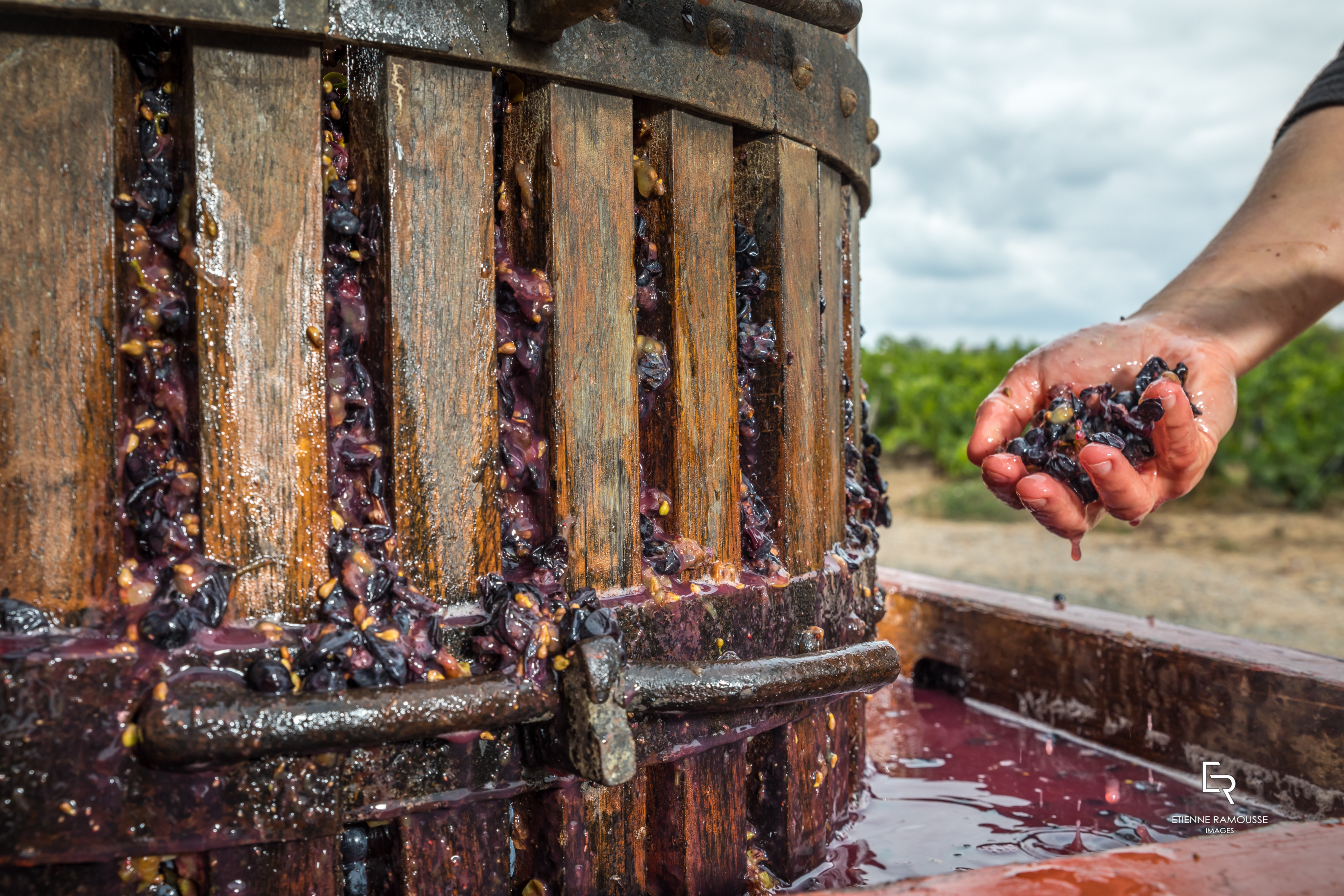
Fast forward to our recent times, winemakers in the 10 Beaujolais Cru believe Gamay can be sophisticated and polished and capable of great things, so they lifted her up and started making very good and age worthy wines. Some of them are even “fighting” a long tedious logistics war to earn the “Premier Cru” classification for the best Gamay vineyards.
Gamay in these vineyards produces excellent and “serious” quality that makes one almost refer to her in her full name, ‘Gamay Noir à Jus Blanc’, out of respect. The wines are reminiscent of the royal – and expensive- Pinot Noir that replaced her. And it’s interesting how when all is said and done, these Gamay wines “in their old age” and with their troubled past, are often mistaken with the privileged and sheltered Pinot Noir, having very similar profile and tertiary notes.
At the end, although she might not live up to the aristocracy of her father, Pinot Noir, or the legacy of her mother, Gouais Blanc, Gamay has paved her own way and found her own voice despite struggling with traumatic circumstances that started 630 years ago. Gamay has stood the test of time and earned its stripes as the most resilient grape in the face of “discrimination” among grapes. She is now in a good place, safe in Beaujolais, the region that has been there for Gamay through thick and thin. Live well my dear Gamay, you earned it. Moving forward, the incoming “Premier Cru” stamp may finally be a global (or at least French) validation of quality, but Gamay knows deep down she does not need any validation, she has stood the test of time, and her future looks as bright as her red Nouveau party years.
 thewineofthings.com