
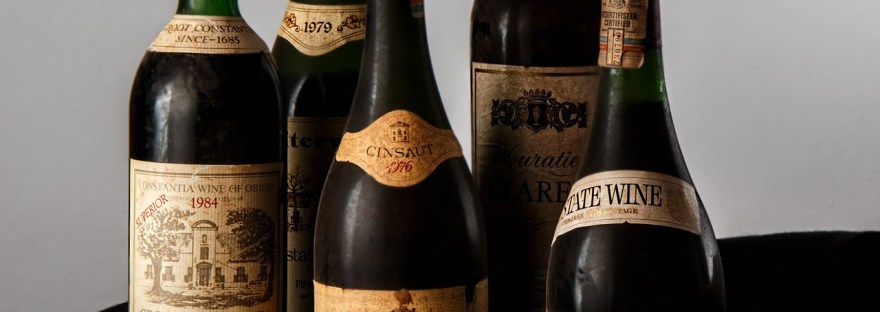
Wine’s destiny is to be enjoyed at its best. That might include drinking wine at the recommended temperature or matching it with the right food, but the prerequisite remains: opening the bottle when it reaches its full potential.
The vast majority of the wines available to consumers are at their best when they are young. They are meant to be enjoyed right off the shelf or up to 5 years for red wines and 3 years for white. But what about the wines that get better with time and with a little bit of patience laying down the bottle for extended aging, can evolve from good to ‘quite the experience’? This article explains which wines to age, why some wines have the capacity to age gracefully and what happens to them as they “come of age”.
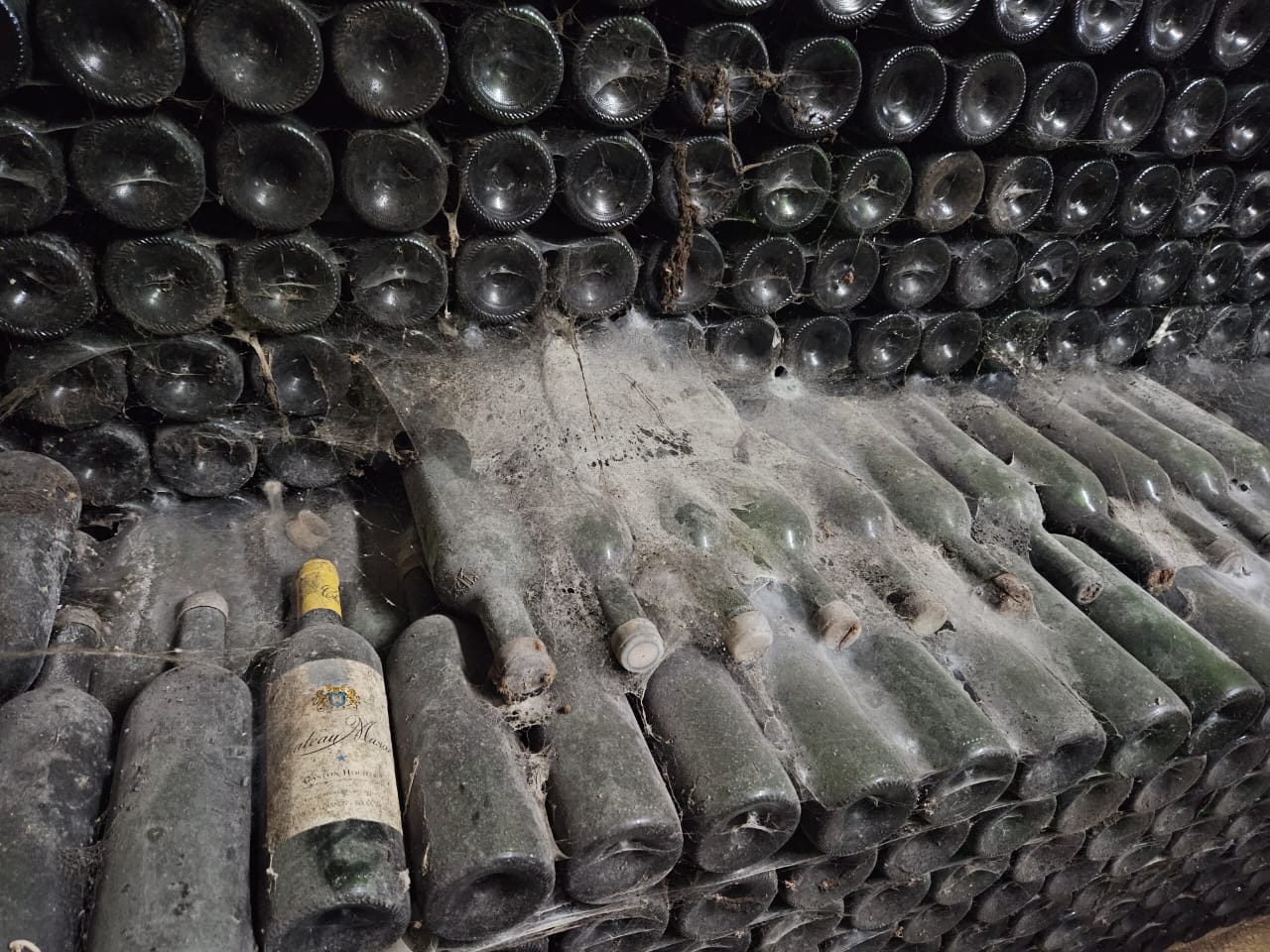
Eligibility to age
Historically, wine intentionally stored to age “came into practice only after the eighteenth century, when cylindrical bottles that could be laid on their sides came into widespread use.” That is according to Karen MacNeil’s ‘The Wine Bible’. After that, these wines that are stored as such- with tight closures- and consumed after some time, must have gained favor among wine drinkers and became a sign of luxury. This tradition has been carried along to our modern day.
Wines that are meant to age are crafted accordingly. They need to be produced from quality grapes (for flavor complexities), have a good tannin structure, the right amount of acidity, and residual sugar or balanced alcohol levels. When these wines are produced, they should be complex and balanced to begin with to carry and develop this complexity into their “old age”. Read more …
 thewineofthings.com