
Like the rise of Australia and California in the 1970s, New Zealand in the 1980s and South Africa in the 2000s, Lebanon is now having its moment in the sun as an emerging wine exporting country. Driven mainly by the good reputation of its wine and the global support for the country through buying its wine, the demand for it grew and so did its export. Wines from Lebanon are now being picked up globally by sommeliers in restaurants to add to their wine menus, as well as supermarket consumers, screening the wine walls and feeling a little adventurous.
Back in Lebanon, the combination of this growing global demand, along with the hardship of domestic market conditions and the need for foreign currency, have led Lebanese wineries to increase their export through setting up new strategies and exploring new channels to sell their wines. For example, Chateau Ksara, the oldest and biggest producer in Lebanon, responsible for a third of the total wine production, is now exporting 60% of its bottles up from 40% in 2019. Once focusing on Lebanese restaurants abroad as its biggest export target, it is now also supplying big supermarket chains like Waitrose, Monoprix, Marks and Spencer, Majestic, and LIDL. “These big supermarkets are all asking for Lebanese wine now. The demand was not present before, it is now created by people hearing about Lebanese wine and asking for it.” explained Elie Maamari, Oenologist and Export Director at Ksara.
Previously, before this surge in international demand, Lebanon have generally exported half of its production, mainly to the UK, France, and the USA. However Lebanese wine was regarded as either an “Ethnic Product” found mostly among the Lebanese Diaspora and in Lebanese restaurants or solely represented by the prestigious Chateau Musar and sought after by wine enthusiasts and sommeliers. It’s important to note here that Chateau Musar have customarily exported most of its production reaching 80% in 2019.
That said, Lebanese wine can never be “wine for the masses”. Currently, there are only about 10 million bottles being produced in Lebanon annually and the limited land suitable for cultivating vines will always keep Lebanon’s production “modest”, relative to other wine producing countries.
“Lebanon is an extremely small country” explains Maamari. “We have 2200 hectares that we are growing vines on, and this space can go up to 3000 hectares, but I don’t think it will exceed that. We currently produce 10 million bottles in Lebanon, I think it can go up to 25 million bottles, that is if ALL the remaining potential vineyards are to be planted.”
It’s worth noting here that as a response to the rise in demand, more vineyards are actually being planted in Lebanon recently, with support from wineries to buy the grapes. Domaine Wardy is playing a major role in this initiative.
The importance of the right narrative: The stories we tell about our wines
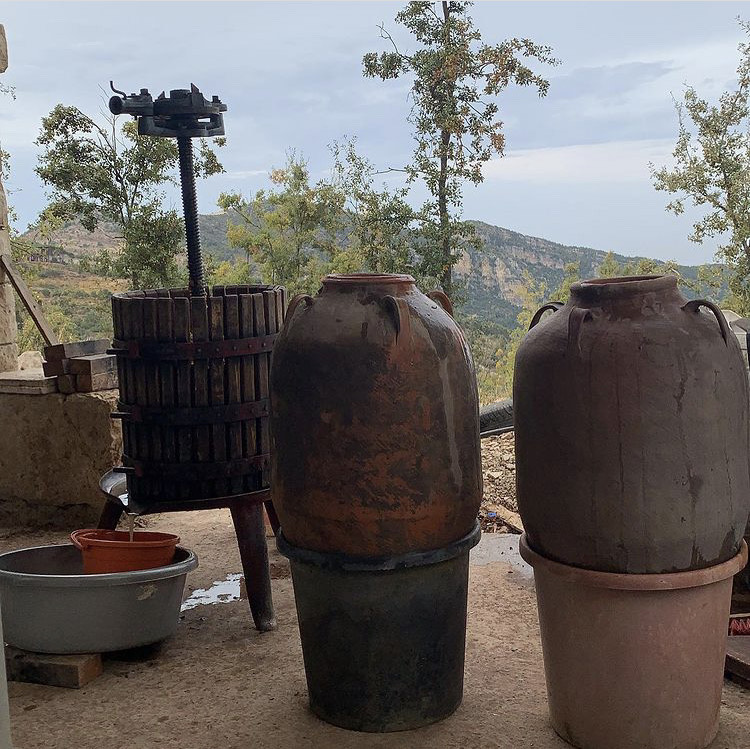
Even with an increase in wine production, Lebanese wineries know that their wines’ leverage globally is their scarcity and authenticity as terroir centric wines competing for quality and not quantity. The combination of this style of wine and keeping a good Quality to Price Ratio (QPR)- the enjoyment of the wine relative to its price- can be the formula for their sustainable growth.
Speaking of QPR, Lebanese wine has also recently gotten into the “Supermarket Wines” category under a private label brand for ALDI, a supermarket chain that has released its Lebanese wine bottle in the UK called “Aldi’s Specially Selected Lebanese Red”. This red wine is a “Cabernet Sauvignon Blend from the Bekaa Valley” and was considered to be among the “best red wines to buy for Christmas 2021” in the Telegraph by Victoria Moore, the wine correspondent in The Telegraph newspaper in the UK and the best-selling author of several wine books.
This new surge in wine exports however should be accompanied by a change in the narrative about Lebanese wine to be seen not as “a good wine struggling to be produced in a troubled land” but as “a scarce and authentic wine produced in an ancient land”. Telling this story, however, depends primarily on individual efforts from wineries, for the lack of both governmental support and unity of industry stakeholders to create a unified message backed by a national campaign.
Individual wineries are choosing the stories they are telling about their wines as an expression of the Land. Chateau Ksara has been very diligent in promoting their Merwah wine, white wine produced from the indigenous Merwah grape, as “the ancient white grape which is given profound expression of Lebanon’s formidable terroir”. This message is also backed by an original label on the bottle with Arabic calligraphy, a first for Ksara.
Faouzi Issa, Owner and Winemaker at Domaine des Tourelles always famously say “the world doesn’t need another Syrah” and has recently produced two red wines “Old Vine Cinsault” and “Old Vine Carignan”, Lebanon’s adopted grapes that have been thriving in the Bekaa Valley since 1857. He has also produced “Old Vine Obeideh and Merweh”, a white wine which is receiving good feedback especially in the UK market.
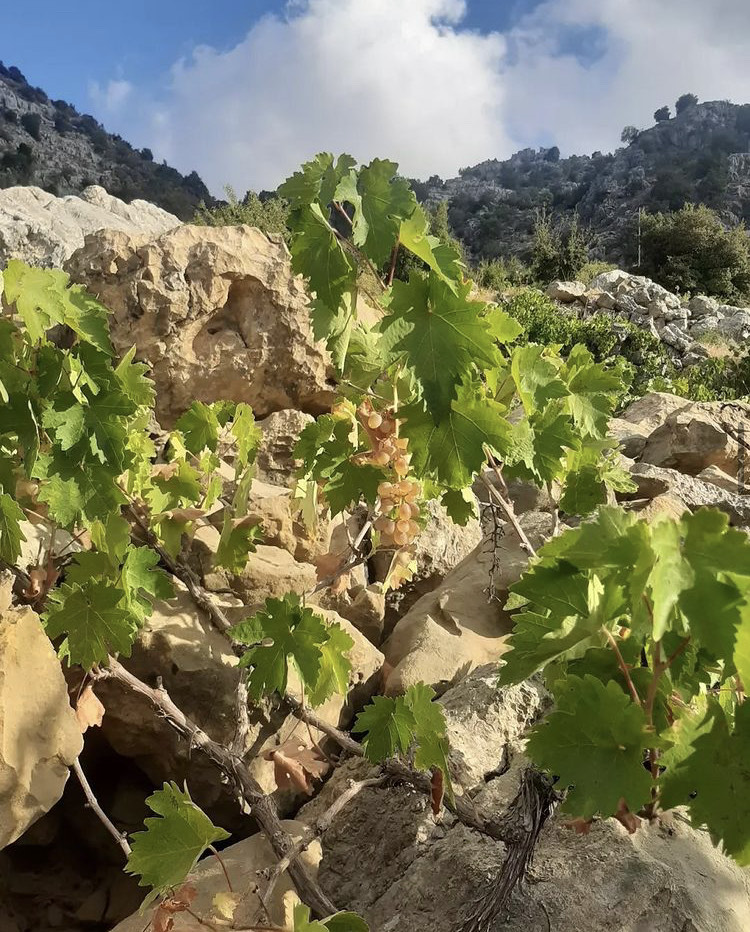
Eddie Chami, Founder and Winemaker of Mersel Wines produced the first Lebanese Pet Nat- a type of natural sparkling wine- using “classic ancestral method” and always tells the story of his wines carrying “the passion of our ancestors, the strength of our mountains and perseverance of our people”.
Maher Harb, Founder and Winemaker at Sept Winery, also knew early on the influence of the wine and terroir stories on the adoption of a brand, backed — without a doubt- by good quality wine. He positions his wines as “honest and terroir driven wines that are wonderful ambassadors to Lebanese wines”. Harb is one with Sept and tend to advocate for his wines personally and with great passion, creating no doubt an emotional connection to his wines. The native Obeideh and Merwah are considered the cornerstone of his winery and it is their wines’ success, according to Harb, that paved the way for the acceptance of his other wines, produced from international varieties like Tempranillo and Syrah. Harb explained that the word of mouth around his philosophy, terroir and wines have created a snowball effect for his wine export and the wine speaking for itself has created its own demand. Proving further, the power of stories.
That said, it’s not only wines of indigenous grapes that can produce authentic Lebanese wines. International varieties such as Syrah, Tempranillo, Viognier to name a few can also give a true expression of the land. One way to to achieve that is through minimal intervention during wine making, the use of wild yeast and inert vessels that don’t influence the taste of the wine, keeping it “honest”, like the use of stainless-steel tanks, concrete vats and even amphoras, used so far by Chateau Kefraya and Mersel Wines.
Now that Lebanese wines have gotten the world’s attention and is living up to its reputation, it’s very important to achieve sustainable export growth through maintaining its good quality and spreading clear and consistent messages about its “Pure Lebanese Identity”. The wine curious and the wine connoisseur alike may have sought it out and tried it beacuse of curiosity or support, but they will only spread the word, come back to it and keep drinking it for its quality and emotional connection planted by the stories of wine and terroir.
 thewineofthings.com