
Lebanese wine is mostly of very good quality. The Lebanese people knows it, wine critics know it, and now the rest of the world is just starting to catch up. There’s a renewed global interest in Lebanese wine with news platforms like Bloomberg and the Guardian recently calling it “superb” and building a case of why everyone should be a fan. Wineries in Lebanon are rising up to the occasion producing authentic and excellent wines however they are facing challenges importing their raw material for wine production and exporting their wines to the thirsty world.
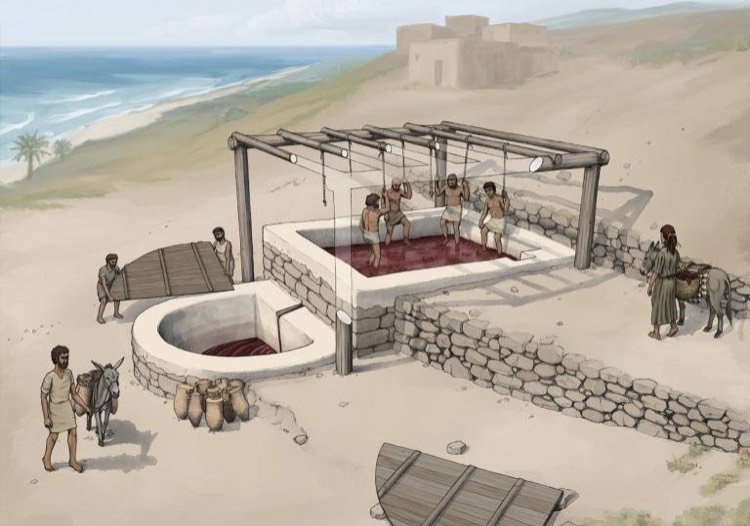
There are three main reasons as to why Lebanese wine is taking center stage right now. First is the recent discovery of a 2,600 year old Phoenician wine press that has been unearthed near Sidon, south of Lebanon. This discovery, reported by the National Geographic, reimagined the Phoenicians, the Lebanese ancestors, as producers of wine not just its traders, attesting Lebanon as an ancient wine producer and giving it a lot of attention.
The second reason was born out of the catastrophe, the Beirut Port Blast. After the massive explosion that demolished the port and destroyed Beirut, killing more than 200 people and injuring more than 6500, numerous corporate and individual initiatives were developed, raising awareness as well as funds, to assist the country and its people. These efforts were done mostly on an international level. Wine, being a high profile Lebanese export, was one commodity used for crowdfunding. One such initiative is the “bid for Beirut” auction, a wine related auction organized by Madeleine Waters that managed to raise over £22,000 for relief funds. The initiative included bids on fine wine and services contributed by the wine community especially in the UK. It also held bids on Lebanese wines produced by Chateau Musar, Massaya, Domaine des Tourelles, and Chateau Marsyas, reminding the UK and international wine enthusiasts of what Lebanon has to offer.
Authentic Lebanese wines with a sense of place
The third reason, and the one having the most sustainable effect, is the new style of wine released to the world that is authentic Lebanese wine. Producers are moving away from wines they are famous for, the big and bold reds for example that mirror French wines, to wines with a strong national identity. They are aware of the desire of wine enthusiasts and critics for wines that stand out among the globalized wines of the world. Wines that reflect their own “terroir”, their sense of place. These “terroir centric” wines are made of Lebanese “adopted grapes” like Carignan and Cinsault grapes that have grown and thrived in the Bekaa Valley for hundreds of years and became synonymous with the fertile Plateau. Such wines are Chateau Ksara’s “Old Vine Carignan” and Domaine des Tourelles “Old Vine Cinsault” and “Old Vine Carignan”, all highly regarded globally.
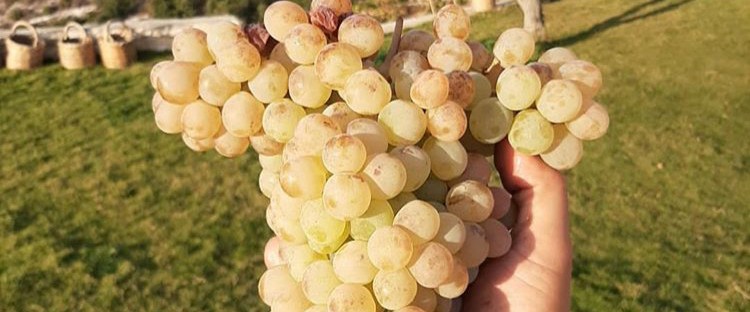
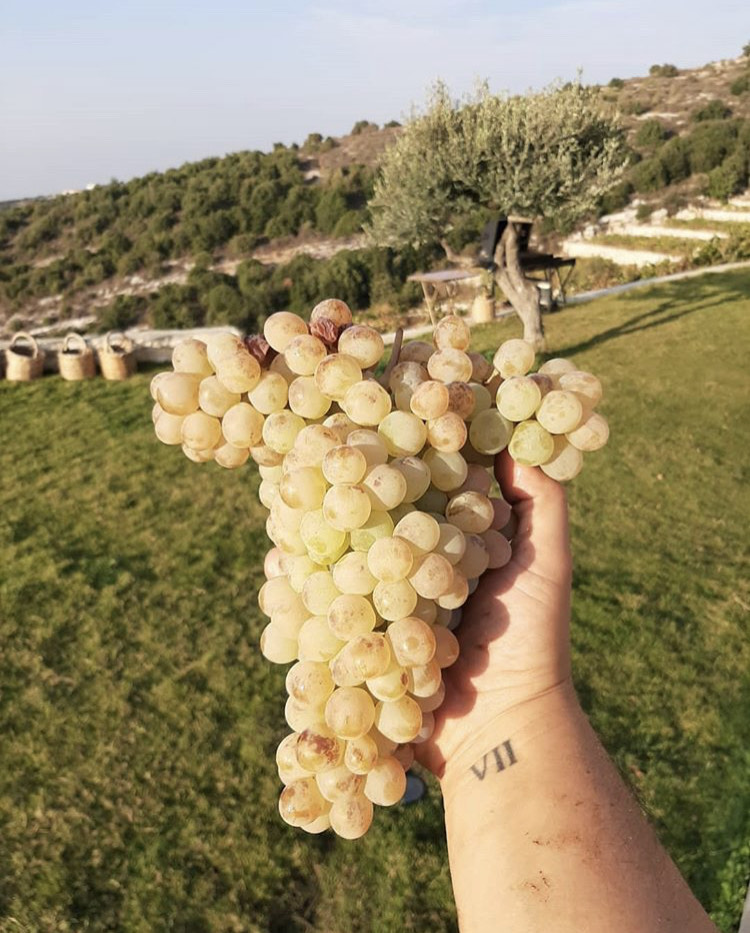
Winemakers are also collectively trying to perfect wine produced from the indigenous grape varietals Obeideh and Merwah. Previously used in wine blends and arak (local aniseed flavored liquor), the Obeideh grape has recently been chosen to stand on its own, producing single grape wines. Winemakers hope that Obeideh will become the flagship wine grape for Lebanon, like Malbec for Argentina, Carménère for Chile, or Pinotage for South Africa. “Obeideh is the cornerstone of our winery” said Khalil Wardy, the managing partner in Domaine Wardy. “We use it for arak, oaked single-varietal wine, unoaked blend and we’re working on an oaked blend to be released next year.”
As for Merwah, Chateau Ksara is one of the main producers releasing its single varietal wine to the market and it has described it as a huge success in international markets. Producing native red wines however is still work in progress, primarily by Chateau Kefraya using native black grapes called “Asmi noir” and “Assouad Karesh” grown in its experimental vineyards.
Winemaking techniques are also changing in this vigorous industry. Domaine des Tourelles for example is using indigenous yeasts, concrete vats and trying to make minimal intervention wines to reveal the potential of the terroir. Chateau Kefraya has released a special edition of wine made in the clay Amphora, a tribute to the original ancestors of wine, the Phoenicians. Another first is the orange or amber wine (white wine fermented with the grape skin) produced by Sept Winery that is also the first and only biodynamic winery in Lebanon.
Riding the wave of demand despite an import and export nightmare
Regardless of the style, wine in Lebanon has always represented a romantic notion, a ceremonial staple of every occasion. Winemaking, however, can’t be farther from this dreamy image. Winemakers have to deal with temperature hazards, pests, and recently a global pandemic that is affecting their operations and on trade sales. Lately, wineries in Lebanon had more on their plates as well: the country’s economic crisis and currency devaluation that makes importing their basic necessities a financial nightmare. One of the major weaknesses in the Lebanese wine industry is the deficiency of the industry’s raw material. The bottles, labels and corks are all imported while only the wine inside the bottle being local. Any delay in importing this material-due to the Lebanese currency devaluation and the financial restraints forced on bank accounts- can be a paralyzing obstacle to the winemaking operation.
That is why exporting Lebanese wine is so important to the wineries now more than ever. “We’re not just looking at wine exports to grow our business but also to earn the foreign currency that is so vital to get the imported materials we need” said Elie Maamari, export director of Chateau Ksara. However exporting wine is also proving to be very challenging, according to Maamari, with the increasing number of complicated documents required recently to export and only a limited portion of the Beirut Port functioning due to the massive explosion.
These complications may delay the satisfaction of the global demand but not for long. Wineries are working hard not to miss this opportunity. “We are riding the wave of demand for Lebanese wine” said Maamari. “All the countries want to support us and they appreciate our fine wines as well. We are enhancing our presence in our already existing markets, going further into new smaller cities especially those with Lebanese restaurants like in Léon in France or Cologne in Germany. We are also expanding our off trade markets including big supermarkets and stores. In addition to that, we are approaching new markets like Switzerland and Norway, however due to COVID these countries are currently closed for new visits to forge new businesses. I’m very optimistic about the future, if markets open up we can sell all of our wine.”
Despite all the challenges facing wineries in Lebanon, they remain hopeful for the future now that the increasingly educated consumers around the world are finally aware of their wines and eager to try them. Lebanon can reach new heights as a reputable rediscovered wine producing country, appreciated for authentic fine wines. All of this is possible to happen in the very near future, pending swift and seamless export of Lebanese wine.
 thewineofthings.com